
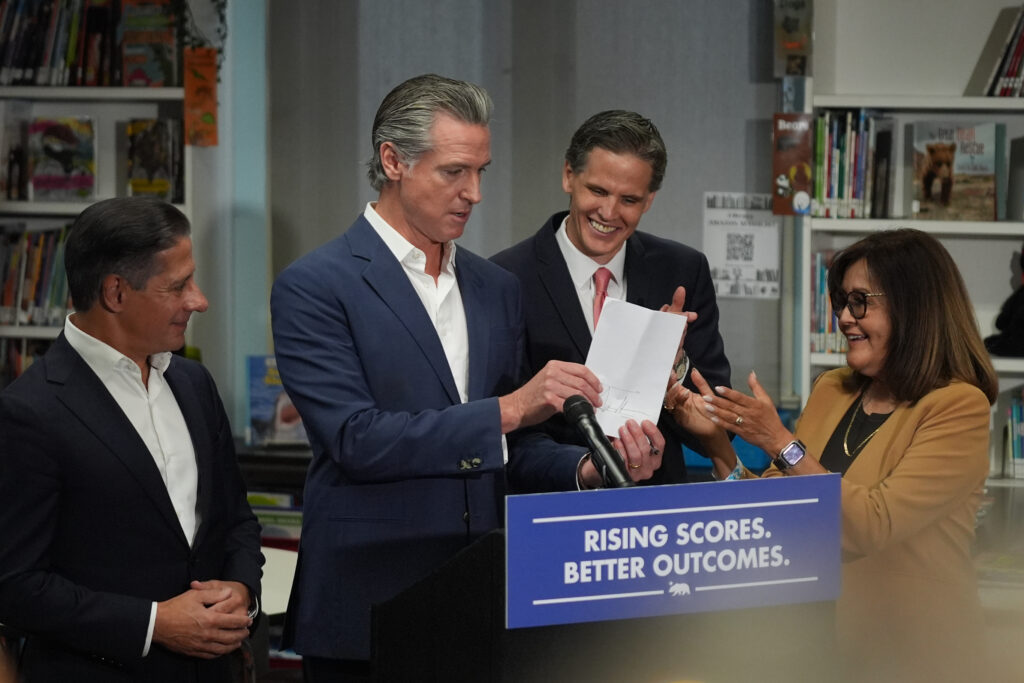













This past month, a wave of California state bills has been passed, all of which may have a great impact on our school today and in the future. From teachers having to adopt new teaching styles and course materials to the student-favorite school lunches taking a hit, these bills will affect students and teachers alike.
AB 715
Assembly Bill number 715 aims to suppress topics in schools that may contain discriminatory material. If it involves controversial topics such as race, religion or current political events, and if deemed discriminatory, it may be banned.
While the goal of the bill is to make students feel safer in school, it raises the question of whether this bill is breaching the right to freedom of speech and expression. At LACES, there is a very diverse population of students ranging from many different cultures, ethnic backgrounds and beliefs. This leads to many students from LACES having differing opinions, they may express. Despite these differences and potential disputes between beliefs, our student body is able to be connected and close.
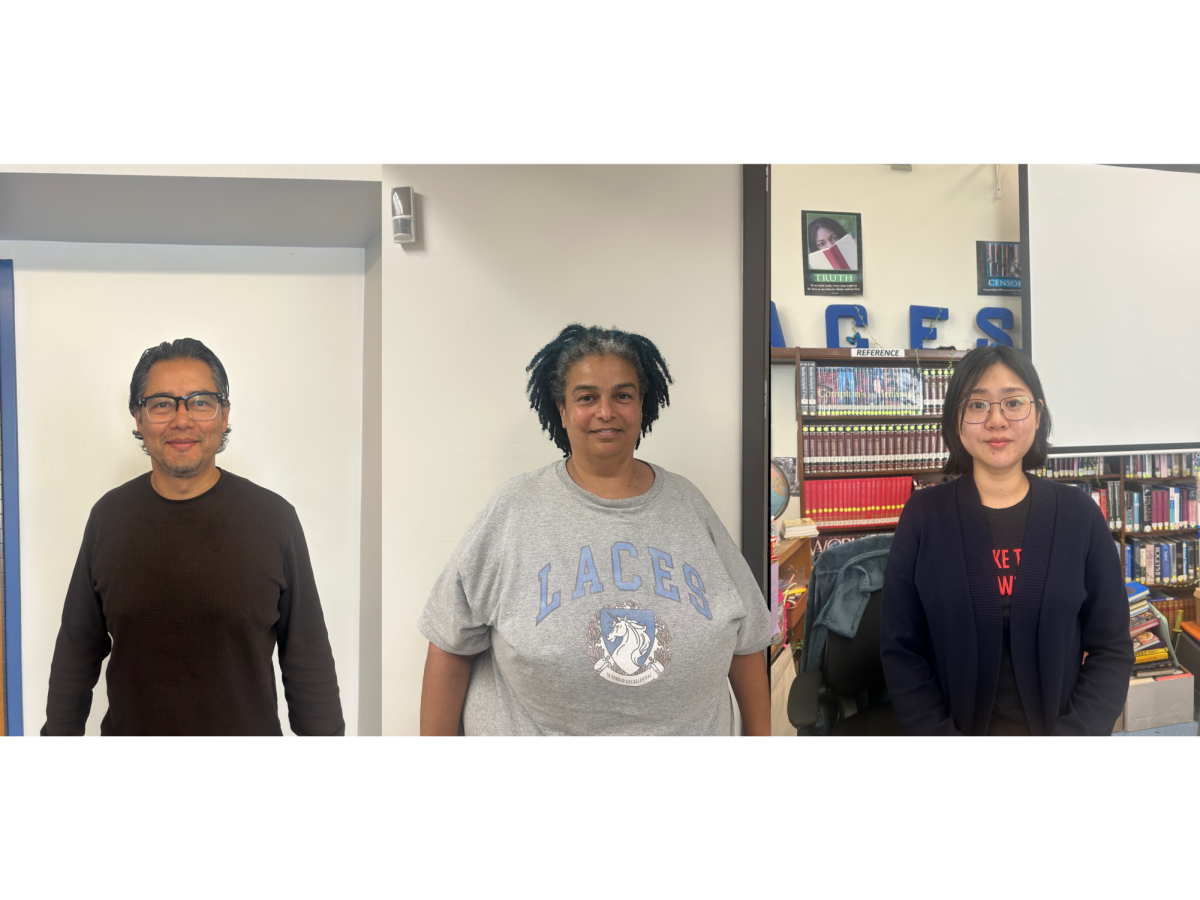
“I’ve seen interactions between students in classes where a student may say something that may be offensive, and another student says, ‘Hey, you can’t say that, it means something bad or offensive to me, and it’s just super apologetic, and they can resolve these issues without a clash. So I think that at least at LACES, I’m joined heart by the positive culture we have here, I see kids talking about some very heated stuff and like, I know kids and their family backgrounds and how they might see things in a very different way, but they have positive constructive conversations in school,” said LACES Administrator Rustum Jacob.
Additionally, this bill could suppress teachers’ and students’ voices in school, whether there is a debate happening or a controversial topic in history being discussed. At LACES, these bills may affect different classes, such as our Government and History classes, which often discuss controversial events from both recent and past times. With this bill being integrated into schools, there is a possibility that we can no longer have open discussions about controversial topics in our class-
rooms.
AB 1264
Assembly Bill number 1264 consists of banning ultra-processed foods in school lunches across the state. The bill aims to improve student health by removing unhealthy processed foods, a major stride toward promoting healthier eating habits and improving student health.
“Healthier bellies, healthier students,” said Jacob.
Healthier and more nutritious foods being fed to students can improve energy and focus in the classroom.
“The Bill is a good thing; wish we could’ve done this decades ago, but hey, we’re moving forward, so a positive on that one,” said Jacob.
While this is a huge step forward in improving the health of students, the bill also raises a few issues. Foods with fresh, non-processed ingerdients are more expensive that their processed counterparts, leading to the budget for food increasing. With various school funds already being cut, the bill may produce problems for the school system.
The bill also creates another problem of whether or not students will actually eat the food. While healthier is better for students, will the students prefer this? Favorite
items on the school lunch menu, like the mozzarella balls and the chocolate chip cookies, may take a hit.
“The mozzarella balls genuinely are one of the only school lunches that I look forward to, like if they take them away, I’m going to stop eating school lunch,” said LACES student Liam Cunningham.
Bill 1454
California is going through a literacy crisis right now. Students across the state have reading levels lower than their grade level. According to a 2022 statistic, California ranked last in literacy levels out of every state, with a 76.9% literacy score, per capitolweekly.net. To fight this crisis, Gavin Newsom has passed Bill AB 1454, which intends to implement new standards for teaching students how to read. The bill calls for a new “science-based” reading curriculum that focuses on teaching students phonics reading, which is a reading method that focuses on sounding out words and pronunciations. Phonic reading can be helpful to both struggling readers and to build strong foundations for reading and literacy. But this bill may create a few fundamental issues with the teaching of reading.
For one, many teachers will be required to change their curriculum and lesson plans going forward to conform to the new “science-based” reading standards. Teachers will also be required to focus on the phonics aspect of reading and literacy, which may not be the most effective approach to teaching or learning how to read. Additionally, a literacy teaching method that revolves completely around phonics may not be sustainable time-wise. Kids may need to start being taught how to read earlier. “I think that phonic reading would work well if kids started learning in Pre-K, it would set them up for the future really well”, says LACES High School English teacher Audrey Yim.
Bill 564
The most controversial bill out of the four, the Bill AB 564, was passed to lower cannabis taxes to support the cannabis market in California. Tax on cannabis sales lowered from 19% to 15% for the next six years, helping California’s cannabis market to compete with other markets in other states. As a result, this would reduce annual tax revenue that the state contributed toward law enforcement and, more importantly, child care services. Annually, about $180 million would be lost, of which an estimated $81 million would have specifically funded child care slots for about 8,000 children from low-income families, according to the LA Times. Valuable money that could be used towards helping struggling families and children is being sacrificed to support the California cannabis market. Additionally, the money being lost can be valuable for TK-5 programs, the keystone for child development.
“Yeah, development stuff is vastly important; that’s why LAUSD wants to invest in TK programs, right? Because even though we don’t get a lot of funding for that, preparing kids to get ready makes a huge difference down the road”, says Rustum Jacob.
Early developmental programs like TK have also recently affected students at LACES, with the first generation of TK students in LAUSD now being freshmen. “Right now are the first group of kids to have had TK as an option across the district, not just select schools, and we can generally see slightly better test scores,” says Rustum Jacobs.
This past month, a wave of California State bills have been passed, all of which may have a great impact on our school today and in the future. From teachers having to adopt new teaching styles and course materials, to the student-favorite school lunches taking a hit, these bills may affect students and teachers alike.