
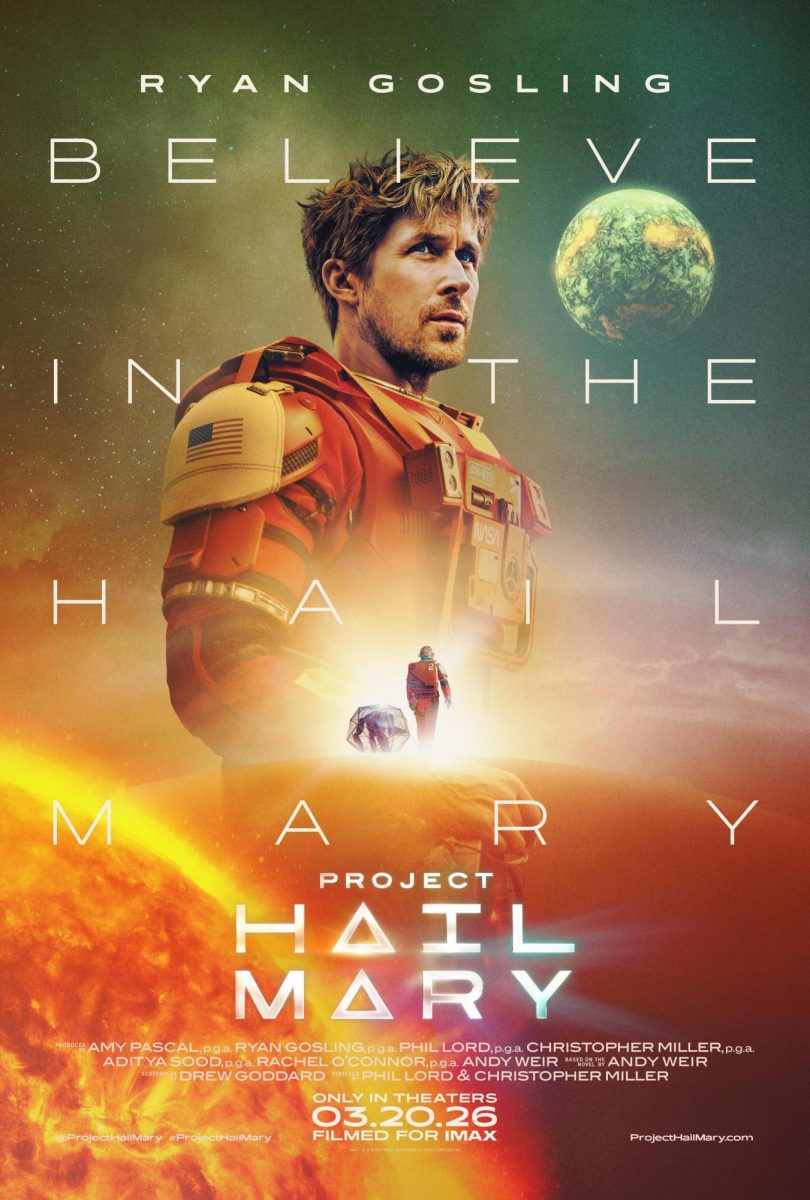















At this moment, major streaming services like Netflix and Paramount are in a bidding war for the film studio, Warner Bros., one of the most iconic studios that has produced countless major hits. The race to buy Warner Bros. has been reduced to two main contenders, Netflix and Paramount. It seems Netflix will be the one to acquire the studio as they’ve put out an official off er. This whopping $82.7 billion sale has created widespread concern about the potential harm it may cause the cinema and film industry.
One of many major concerns of Netflix acquiring Warner Bros. is that the it will lead to the loss of the studio’s identity in its films. Over the years, Warner Bros. has created a multitude of legendary franchises and features that have led to a reputation as one of the best film studios. If streaming services like Netflix were to become the decision makers in creating future films, movies may become more focused on being binge-worthiness rather than being the next big cultural impact. LACES senior and film student Pierce Gordon says that he’s interested in both theatrical and streaming releases.
“I’m very selective about what I watch in theaters. If a movie has a large scope or is clearly made to be experienced on the big screen, I’ll go see it, but many films today feel designed primarily for
streaming,” said Gordon.
Netflix has also announced that it will prioritize releasing movies to its subscribers first, giving the streaming audience special access over traditional moviegoers.
“Our primary goal is to bring first-run movies to our members, because that’s what they’re looking for,” said Ted Sarandos, co-CEO of Netflix.
This statement raises serious concerns for the cinema industry, as it means that all movies produced by Netflix or Warner Bros. will be shown to subscribers before regular audiences, ultimately prioritizing revenue for the streaming service over box office performance. As a result, audiences may begin to prioritize subscribing to streaming services over going to theatres, especially if releases come earlier on these services, an action that could very well spell the end of the cinema industry. Netflix doesn’t seem to believe so.
The streaming service has adamantly refuted the anti-theater narrative, stating that they want to continue to compete as a theatrical distribution engine, but the reality is that the landscape has already changed. Theaters used to be filled with families who had excitedly waited for the next block-buster to release, rows of people sharing the intense emotions movies would instill. Now, many people choose to watch the newest movies at home on their personal devices, with content that now favors a simplified and redundant dialogue designed for the assumption that viewers are only half watching. What was once a magical experience has started to fade into the background of new technology.
LACES senior Alessandro Robino grew up watching Warner Bros. films as his mother handles marketing and event management for the studio. “Movies are meant to be watched with an audience, and taking that aspect away cuts away the whole experience of watching a fi lm,” said Robino.
While Warner’s future has not yet been set in stone, the controversies it has sparked reveal a larger problem already affecting the film industry. This is a shift in the future of not only the current industry, but also for future generations of people
going into the fi lm and cinema industry. LACES film teacher Charlie Cohen says that the fi lm industry is always changing.
“Things have changed already. When I was younger, really ambitious art films were the kinda A movies, where movies like ‘Avengers’ would be the B movies, and only a select group would watch these movies. But then movies like ‘Jaws’ and ‘Star Wars’ came out, causing it to flip in the opposite way, where the big art movies lost their place. So the film industry is always changing, but it’s more so whether or not the film industry has an economy for theaters anymore,” said LACES film teacher Charlie Cohen.
For students at LACES who are interested in film, media and storywriting, this deal could mark a polar shift in the future industry they will be joining. The future industry may prioritize films in a streaming service-friendly manner rather than the cinematic showpieces we have grown up with. Now, the most important question for those looking towards the future of the film industry is not whether the streaming space will fundamentally change the film industry, but how much longer before streaming services extinguish the film industry.